
Introduction
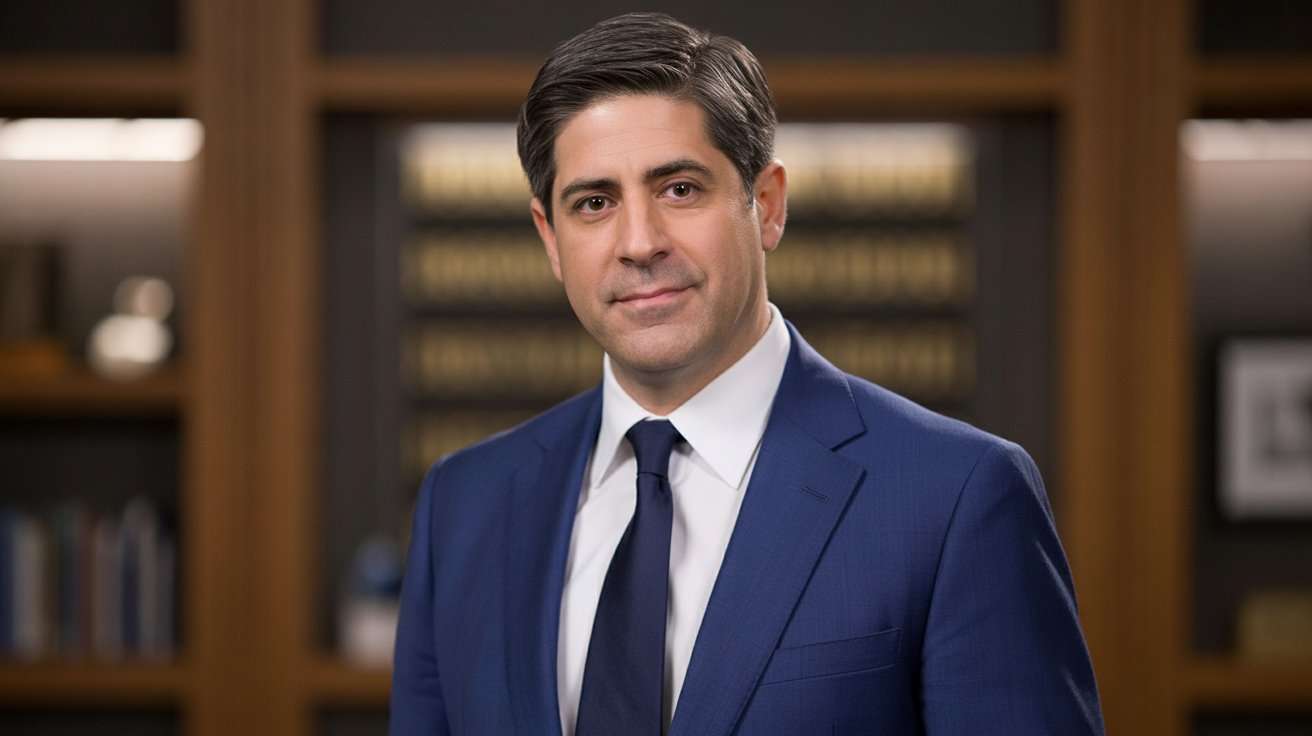
Kevin Warsh, born in 1970, is a highly respected American financier and bank executive in financial institutions. He was a member of the Federal Reserve Board of Governors between 2006 and 2011. During this time, his executive leadership shaped important monetary policy decisions. His service on the Board focused on economic growth and financial governance, contributing to financial services in America.
As an expert in policy-making, Warsh provided invaluable insight into economic issues. He ensured that financial institutions and bank operations balanced risk and growth effectively. His tenure at the Federal Reserve continues to influence financial governance, making him a key figure in monetary policy development.
Kevin Warsh Biography Overview
| Category | Details |
| Full Name | Kevin Warsh |
| Date of Birth | 1970 |
| Profession | Financier, Bank Executive, Policy Maker |
| Key Positions | Federal Reserve Board of Governors (2006-2011), Shepard Family Distinguished Visiting Fellow at Hoover Institution, Advisor at Rubicon Global |
| Educational Background | Bachelor’s in Public Policy from Stanford (1992), J.D. from Harvard Law School (1995) |
| Career Highlights | Federal Reserve, Morgan Stanley, Bush White House’s National Economic Council, Economic Advisor |
| Role in the 2008 Financial Crisis | Married to Jane Lauder (granddaughter of Estée Lauder), resides in Manhattan. ttan |
| Current Activities | Married to Jane Lauder (granddaughter of Estée Lauder), resides in Manhattan. ttan |
| Federal Reserve Nomination | Nominated by President Trump to be Chairman of the Federal Reserve (January 30, 2026) |
| Family Background | Married to Jane Lauder (granddaughter of Estée Lauder), resides in Manhattan |
| Awards and Recognition | Featured in Fortune’s “40 under 40” (2009) |
| Notable Contributions | Influence on economic policy, mergers and acquisitions, financial reform, and macroprudential policy |
| Opposition to Nomination | Faces opposition in the Senate Banking Committee regarding his Federal Reserve Chair nomination |
Kevin Warsh’s Impact on Economics and Finance
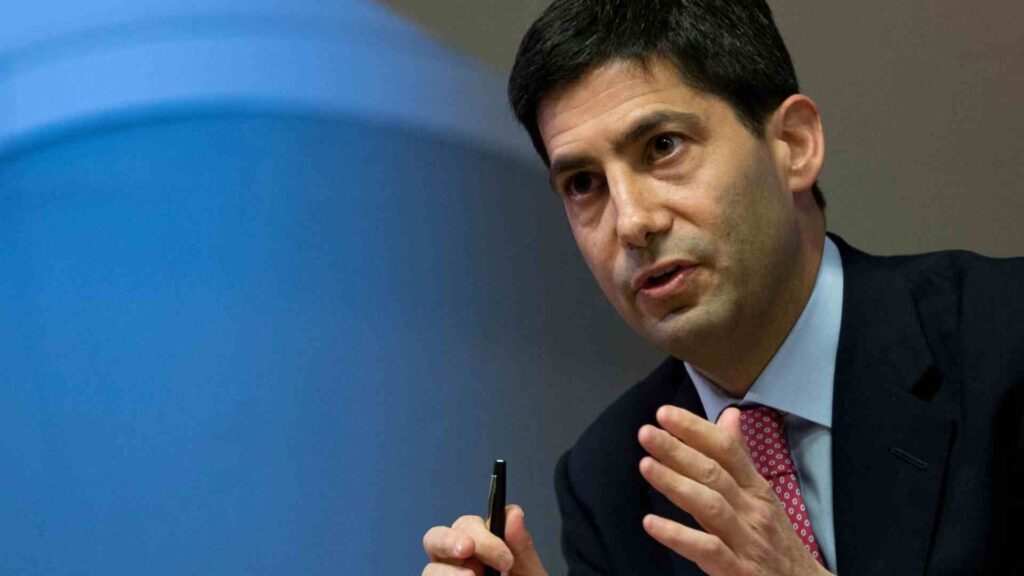
Kevin Warsh’s career has made a lasting impact on economics and finance. During the 2008 financial crisis, he acted as a key liaison between the Federal Reserve and Wall Street. His role at the G20 and efforts to connect advanced economies with emerging markets highlight his global influence. As an expert adviser to both private and public companies, Warsh has shaped the growth of financial services and governance.
Currently, as the Shepard Family Distinguished Visiting Fellow at the Hoover Institution, Warsh continues to influence monetary policy and economic research at Stanford University. His work impacts the future of financial institutions, ensuring his legacy in economic growth.
Kevin Warsh: Fed Chairman Nominee
Kevin Warsh has been a key figure in discussions about the future of the Federal Reserve. On January 30, 2026, President Trump officially nominated Warsh as the next chairman, choosing him to succeed Jerome Powell. In June 2025, Warsh was already seen as a leading candidate for the role, alongside Treasury Secretary Scott Bessent. His nomination highlighted his economic leadership and deep expertise in financial policy.
With years of influence in shaping economic policy and involvement in high-level decisions, Warsh’s appointment marks a significant turning point for the Federal Reserve. His leadership is expected to bring fresh perspectives on monetary policy and economic stability, sparking debates on the future of financial strategies.
Early Background and Education
Kevin Warsh’s journey began in Albany, New York, where he was the youngest of three children. He grew up in Loudonville and attended Shaker High School in Latham, where his interest in economics began. This curiosity led him to earn a Bachelor of Arts in public policy from Stanford University in 1992, focusing on economics and political science. His academic path continued at Harvard Law School, where he earned his J.D. in 1995, graduating cum laude.
Alongside his law degree, he also studied market economics and debt capital markets at MIT Sloan School of Management and Harvard Business School. Reflecting on his roots, Warsh credits his upbringing in upstate New York for teaching him about the real economy.
Warsh’s Career: Morgan Stanley to the White House
Kevin Warsh’s career has included significant roles in both the private and public sectors. From 1995 to 2002, he worked at Morgan Stanley in New York City, quickly rising to executive director in the mergers and acquisitions department. His expertise in capital markets and financial services led him to a key role as Special Assistant to the President for Economic Policy under George W. Bush from 2002 to 2006.
In this role, Warsh acted as a trusted liaison for senior administration officials, advising on critical areas like banking, securities, and consumer protection. He also contributed to the President’s Working Group on Financial Markets, tackling challenges in fund flows and financial protection. Warsh’s leadership in regulatory policy and his impact on financial markets, insurance, and capital flows solidified his influence on the U.S. economy.
Board of Governors of the Federal Reserve
Appointment Process
Kevin Warsh’s journey to becoming a Federal Reserve appointee started on January 27, 2006, when he was nominated to fill an open vacancy, alongside Randall Kroszner. At just 35 years old, Warsh became the youngest person appointed to the Federal Reserve, sparking criticism due to his age and perceived lack of experience. Preston Martin, a former vice chairman, famously said he would vote no because of Warsh’s youth. Despite this, Ben Bernanke recognised Warsh’s political savvy and extensive experience in financial markets, including his contacts on Wall Street and his time at Morgan Stanley.
During his confirmation hearing on February 14, 2006, Warsh emphasised his Wall Street experience and highlighted his published writings on corporate spinoffs and mass tort liability. He framed his years of experience in financial markets as a valuable strength. Finally, on February 24, 2006, Warsh took office to complete an unexpired term running until January 31, 2018.
Pre-Financial Downturn
In March 2006, Kevin Warsh attended his first meeting with the FOMC, influencing discussions on market liquidity. At the time, Warsh pointed out how greater liquidity could lead to higher asset prices and more efficient transactions between savers and borrowers. However, he cautioned that such benefits could change quickly due to investor risk aversion and uncertainty, leading to financial distress.
By March 2007, just months before the Bear Stearns crisis, Warsh had already warned about the risks of fluctuating liquidity, pricing transactions, and the unpredictable timing of financial shocks. He stressed that market participants and policymakers should be cautious in predicting the scope, duration, and distribution of such crises. His foresight into the financial crisis and investor confidence showed how quickly markets could become vulnerable during economic turmoil.
2008 Economic Downturn
When the 2008 financial crisis hit, Kevin Warsh played a leading role in managing the economic storm. As a trusted ally within Republican circles, Warsh became a crucial link between Bernanke and Wall Street, leveraging his finance knowledge and political contacts. Alongside Don Kohn, Warsh was one of Bernanke’s most frequent partners in conference calls, helping craft a strong crisis-fighting strategy.
Warsh’s experience and political influence were critical in coordinating efforts, keeping Wall Street executives and policymakers united in stabilising the economy. His deep understanding of economic policy and finance was vital for making strategic decisions that helped guide the nation through the crisis.
Warsh’s Role in 2008 Crisis Management and Mergers
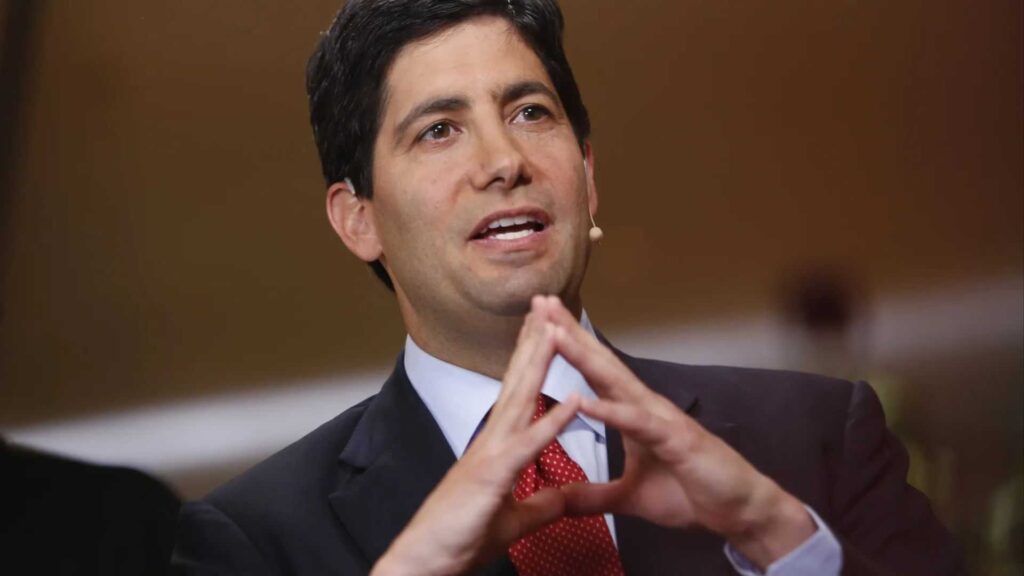
During the 2008 financial crisis, Kevin Warsh played a central role in managing the economic turmoil. As a Fed governor, he worked closely with Timothy Geithner and Ben Bernanke, guiding the response. Warsh attempted to engineer mergers between Citigroup, Goldman Sachs, and Wachovia to stabilise Wall Street. These efforts addressed the undercapitalized financial system and helped support the survival of investment banks.
On September 20, 2008, Warsh was granted a waiver to assist his former employer, Morgan Stanley, in converting it into a bank holding company to access Federal Reserve loans. His deep understanding of Wall Street helped him provide vital insights, guiding policymakers during the crisis. Warsh’s knowledge of investment banks and his experience were crucial in helping Wall Street executives navigate the downturn.
Warsh’s Role in Financial Reform and Macroprudential Policy
Kevin Warsh was instrumental in shaping financial reform during the 2008 crisis. He worked closely with Bernanke, leading a team of Board members and Reserve Bank presidents to develop a new approach. His team moved away from the traditional microprudential model, which focused on individual firms’ safety and soundness. Instead, they pushed for a macroprudential strategy, focusing on a system-wide approach to address risks in the financial system.
By adopting a forest-and-trees perspective, Warsh and his team recognised the need to protect the entire system, not just individual institutions. His insights led to a stronger focus on financial stability, inflation prediction, and risk mitigation. Warsh’s leadership helped lay the foundation for financial reform and shaped the regulatory strategy that guided the U.S. economy through the aftermath of the crisis.
- Kevin Warsh was instrumental in shaping financial reform during the 2008 crisis, with a focus on macroprudential policy to safeguard the entire financial system.
- Warsh’s concerns about inflation risks guided his approach, stressing the importance of addressing persistent inflation and economic turbulence to protect the broader economy.
- By June 2008, Warsh was already warning that inflation would continue to dominate, emphasizing the need for robust economic policy to manage long-term economic risks.
Issues with Inflation Focus and QE Capital Misallocations
Kevin Warsh has been vocal in criticizing the ongoing use of quantitative easing (QE). He points out the significant misallocations of capital and misallocation of responsibility in the economy. His frustration with the constant focus on inflation is clear. He believes that critical factors, like commodity pressures, often get masked by the focus on inflation. This makes it harder to address the real issues. In a panel discussion, Warsh stressed how poorly directed resources can damage the financial system.
These misallocations lead to lingering effects that only become apparent at the worst possible moments. While policymakers tighten measures to curb inflation, they often overlook the risks of deflation. This, Warsh argues, puts the economy in a dangerously precarious position, as noted by Bernanke and Don Kohn. These actions, pushed by conservatives in government, have lasting consequences that should not be dismissed.
Read More: Sakira Wang Age, Career, Family, Net Worth & Bio 2025
Road To Economic Recovery
In September 2009, as unemployment hit 9.5%, Kevin Warsh argued that the Fed should begin to pull back its efforts. He warned that waiting too long for the economy to return to self-sustaining trend growth could lead to an excessive surge in lending. This surge could be sparked by the substantial liquid assets sitting in the banking system. Warsh’s concern was that these reserves might unintentionally trigger inflation.
Critics, like Tim Duy from the University of Oregon, believed that monetary policy focused too much on Wall Street instead of Main Street. Warsh’s caution highlighted a real risk—policymakers had to find a delicate balance in their approach to economic recovery. The potential for a sudden spike in lending remained a real threat.
Warsh’s Opposition at the November 2010 FOMC Meeting
During the November 2010 FOMC meeting, Kevin Warsh expressed concerns about the Fed’s strategy to boost economic activity and create jobs by lowering long-term interest rates. With unemployment around 10%, Warsh made it clear that he would only support QE2 out of respect for Chairman Bernanke. He stated that, if in charge, he would have dissented and opposed the continuation of the program if inflation rose even slightly.
Warsh argued that the burden of achieving employment objectives and fostering growth was unfairly placed on the Federal Reserve. He believed that policymakers should take responsibility for creating effective monetary policies. Warsh felt the Fed was accepting dangerous policies, putting the onus on itself, while real issues like taxes, spending, and regulations lay outside its control.
Warsh’s QE2 Reservations and Departure from the Fed
Kevin Warsh’s departure from the Federal Reserve in 2011 marked the end of a significant chapter. Appointed in 2006, Warsh became known for his strong views, especially during the financial crisis. As a hard money hawk, Warsh raised concerns about the QE2 program, designed to stimulate economic growth.
He feared these efforts could place an unfair policy burden on future generations, leading to inflation. His concerns were part of a broader policy disagreement in Washington, where many debated fiscal tools like federal spending. By 2011, Warsh’s frustration led to his resignation, just as President Obama grappled with managing the economic recovery.
In his departure, marked by a speech and op-ed in the Wall Street Journal, Warsh’s views had a lasting impact. His views influenced the national conversation about balancing infrastructure projects, tax policies, and the fight against rising inflation.
Life Beyond the Federal Reserve Board
After leaving the Federal Reserve, Kevin Warsh remained influential in shaping both economic policy and business strategy. He served as the Shepard Family Distinguished Visiting Fellow at Stanford University’s Hoover Institution, offering insights into Fed policy and its independence. Warsh also contributed to the advisory board of Rubicon Global and was involved with e-commerce companies like Coupang and UPS.
In 2016, Warsh joined a business forum created by Donald Trump, providing strategic advice on key economic issues. His name also appeared among the prospective nominees for Treasury Secretary and Chair of the Federal Reserve. Warsh’s speech to the Group of Thirty and the International Monetary Fund, titled “Central Banking at a Crossroads,” highlighted his influence on global business and policy advice.
Nominee for Federal Reserve Chair
Kevin Warsh is a strong contender for the Federal Reserve Chair, currently held by Jerome Powell. In October 2025, Treasury Secretary Scott Bessent confirmed that Warsh was on President Trump’s short list to replace Powell. Warsh’s extensive experience at the Fed has earned him respect on Wall Street and in financial markets, where his credibility is highly valued.
Many believe his nomination would be welcomed by markets due to his track record and views on cutting rates in the short term. David Bahnsen, Chief Investment Officer of The Bahnsen Group, praised Warsh’s ability to balance short-term economic needs with long-term goals. Warsh’s decisions wouldn’t be swayed by Trump’s bidding, making him a trusted figure for the future of the Federal Reserve.
Opposition to Warsh’s Fed Chair Nomination
Kevin Warsh’s nomination for Federal Reserve Chair faces strong opposition in the Senate Banking Committee. Thom Tillis, a U.S. Senator, has made it clear that he will oppose Warren’s nomination until the federal investigation into Powell is fully resolved. With the committee consisting of 13 Republicans and 11 Democrats, Tillis has the power to block the nomination from reaching a full Senate confirmation vote.
Senate Majority Leader John Thune stated that Warren’s nomination will likely not be confirmed without Tillis’s support. Additionally, Senate Democrats have called for a delay in the nomination until the Powell investigation and litigation regarding Lisa Cook are settled. Tillis, not running for reelection in 2026, confirmed that he will continue to block Warsh’s nomination for the rest of the 119th United States Congress.
Personal Background
Kevin Warsh married Jane Lauder in 2002, the granddaughter and heiress of Estée Lauder. Jane Lauder had a long history at the Estée Lauder company and managed Origins. She became Global Brand President of Clinique in 2014. The couple resides in Manhattan, and Jane’s net worth was estimated at $2 billion by Forbes in September 2017.
Warsh’s father-in-law, Ronald Lauder, is a key figure in the Lauder family business. In 2009, Kevin Warsh was named to Fortune magazine’s “40 under 40”, recognizing his influence in finance.
Kevin Warsh’s Current Activities
Kevin Warsh is the Shepard Family Distinguished Visiting Fellow at Stanford University’s Hoover Institution, where he serves as a scholar and lecturer. Along with his academic work, Warsh is actively involved in business.
He holds key roles on the board of directors for major e-commerce companies like Coupang and UPS. He also provides strategic guidance to Rubicon Global as an advisory board member, blending business strategy with academic research.
Kevin Warsh’s Perspective on Interest Rates
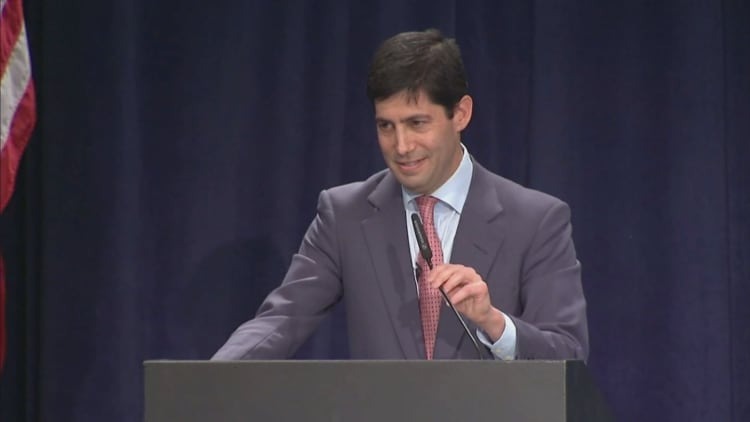
Kevin Warsh believes that lower interest rates are key to driving productivity and controlling inflation. He’s convinced that AI will play a major role in boosting productivity, helping to manage inflation more effectively. Warsh rejects the idea that inflation stems from workers getting paid too much or from the economy growing too fast.
His views align somewhat with Trump’s, as he advocates for a fresh approach to economic policy. At the heart of Warsh’s argument is his strong belief in the power of AI to fuel future growth, supporting the case for lower interest rates as a way to ensure long-term economic stability.
What is Kevin Warsh’s Educational Background
Kevin Warsh’s educational path laid a strong foundation for his impressive career. He started at Stanford and earned a bachelor’s degree in public policy in 1992. He then pursued his J.D. at Harvard Law School, where he graduated in 1995.
His education was complemented by experience at Morgan Stanley, working in mergers and acquisitions. Warsh spent four years at the Bush White House, contributing to the National Economic Council and applying his knowledge to shape economic policies.
Conclusion
Kevin Warsh has made a significant impact in both the financial and policy sectors. With a foundation in economics and law, he held influential roles at the Federal Reserve, Morgan Stanley, and the Bush White House. Each position shaped U.S. economic policy and strengthened his leadership. During the 2008 financial crisis, Warsh played a crucial role, contributing to financial reforms and voicing strong opinions on inflation and monetary policy.
His reputation as a key figure in American finance was solidified through these efforts. As a potential Federal Reserve Chair nominee, his expertise continues to guide critical discussions on monetary policy. Warsh’s ongoing work at Stanford University and major corporations ensures his insights remain integral to future economic growth and stability.
Frequently Asked Questions(FAQ;s)
1. Who is Kevin Warsh?
Kevin Warsh is a highly respected American financier and bank executive who served as a member of the Federal Reserve Board of Governors from 2006 to 2011. He has been influential in shaping U.S. economic policy.
2. What are Kevin Warsh’s major contributions to finance?
Warsh played a key role during the 2008 financial crisis, acted as a liaison between the Federal Reserve and Wall Street, and contributed significantly to financial reforms. He also served as an adviser to both private and public companies, influencing global economic governance.
3. What is Kevin Warsh’s role in the Federal Reserve?
Warsh served as a member of the Federal Reserve Board of Governors from 2006 to 2011, where he helped shape crucial monetary policy decisions. He is now a nominee for the Federal Reserve Chair, nominated by President Trump in 2026.
4. What is Kevin Warsh’s educational background?
Warsh holds a Bachelor’s in Public Policy from Stanford University (1992) and a J.D. from Harvard Law School (1995). He also studied market economics and debt capital markets at MIT Sloan and Harvard Business School.
5. How did Warsh influence the 2008 financial crisis?
During the crisis, Warsh was instrumental in managing economic turmoil, providing vital insights, and coordinating efforts to stabilize the financial system. He also worked on key mergers to help undercapitalized financial institutions.
6. What is Warsh’s current role?
Currently, Warsh serves as the Shepard Family Distinguished Visiting Fellow at Stanford University’s Hoover Institution and continues to advise major corporations, including Coupang and UPS.
7. What is Warsh’s stance on interest rates?
Kevin Warsh believes lower interest rates are essential for boosting productivity and controlling inflation. He also supports the role of AI in boosting productivity and addressing inflation concerns.
8. What makes Kevin Warsh a candidate for Federal Reserve Chair?
Warsh’s extensive experience in shaping economic policy and his strong leadership make him a leading candidate for Federal Reserve Chair. His nomination reflects his influence on monetary policy and his ability to guide financial strategies.
Read More: Peter Attia Honest Life Beyond the Longevity Spotlight

SEO specialist with 5+ years of experience in On-Page, Technical, and Off-Page SEO. I help websites and e-commerce stores rank higher on Google and drive consistent organic traffic through strategic SEO and keyword optimization.