
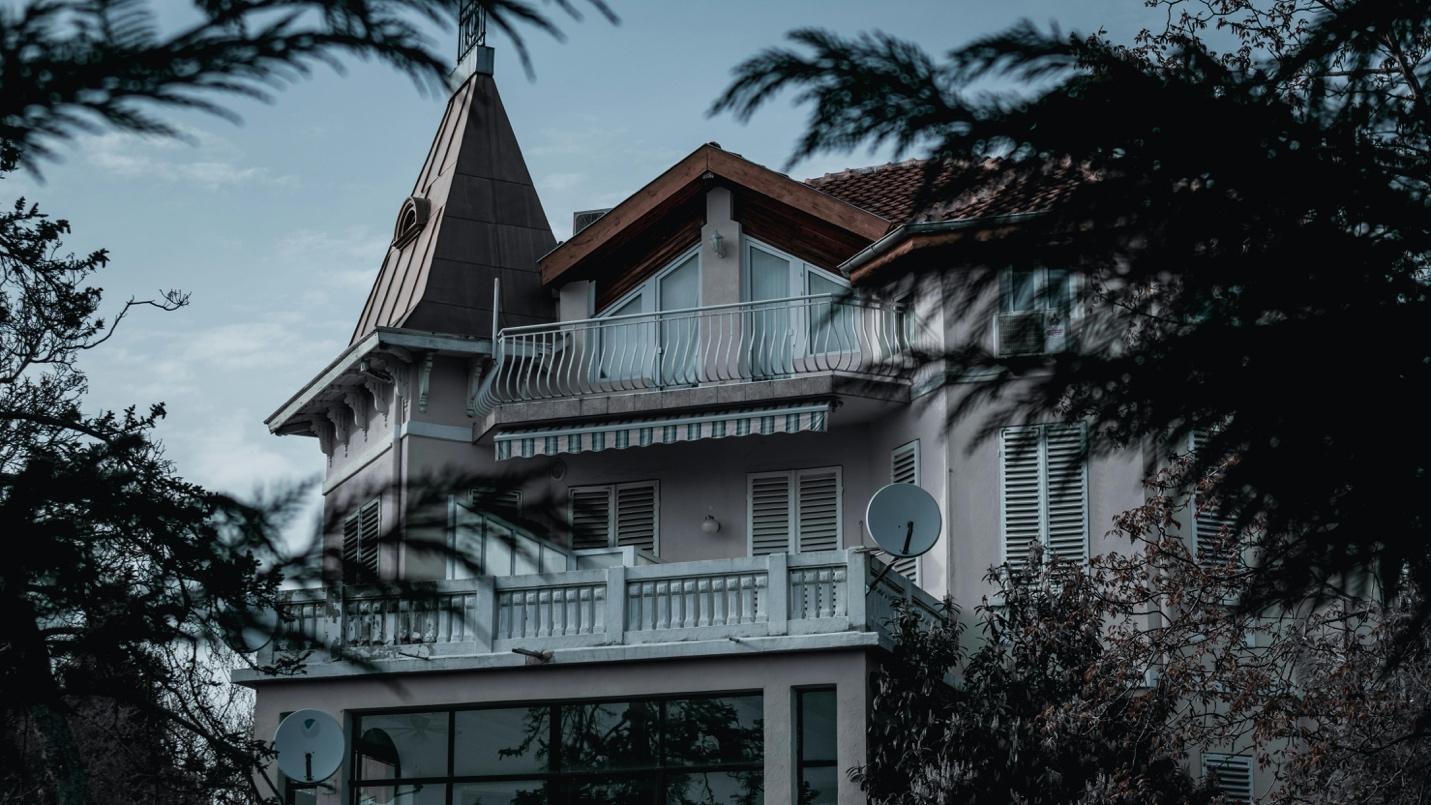
Why do old homes seem special? Their charm, size, and unique embellishments are difficult to replicate. Comfort enhancements can fail if homeowners make fast changes without understanding building behaviour. Starting with a strategy and considering practical options, such as air conditioning in Kent firm Sub Cool, for example, may help you save money and make changes you notice every day.
Treating Symptoms Instead of Finding the Cause
A common mistake is fixing what you see rather than what hurts. A cool room may require a larger heater, but draughts around windows or holes under doors are the underlying problem. You must pay more to fix the unpleasant room. Look for patterns. Rapid cooling following heating. Does one side of the house feel different? Can windy days increase issues? These symptoms indicate heat loss due to insulation gaps, ventilation issues, or deteriorating glazing.
Oversealing Without Managing Ventilation
Draught-proofing is beneficial, but overscaling is detrimental. Older homes “breathe” through chimneys, tiny gaps, and worn materials. Lack of ventilation can cause condensation and stuffiness. A balanced approach works. Seal obvious draughts in kitchen and bathroom vents. Use extractor fans and air bricks. Short bursts of fresh air in bedrooms provide comfort without losing warmth.
Choosing Materials That Fight the Building
Older homes sometimes use solid walls and traditional plaster that handle moisture differently from modern materials. Upgrades that ignore the trapped moisture where it should escape. That can cause flaking paint, musty corners, and a wet property even after renovation. Avoid layering impermeable coatings in problem areas. Use breathable finishes instead. Don’t apply current insulation boards or sealants to walls that control moisture differently without instructions.
Ignoring Room-by-Room Comfort
Home heating is unequal in older homes. One room heats quickly, another slowly. Sometimes they overheat the house to make the cold room bearable. Wasted energy makes everyone uncomfortably warm. Room-by-room control matters. In larger homes, thermostatic radiator valves and zoning can aid. Simple modifications, such as moving furniture away from radiators and bleeding radiators, can improve heat distribution.
Underestimating Summer Discomfort
Homeowners prefer warm winters to cold summers. Lofts, top floors, and south-facing rooms in older homes can get heated. Heavy curtains and narrow windows trap heat at night. Good ventilation and shade reduce summer discomfort. Open the windows early and late, but avoid direct sunlight during the hottest hours. Mechanical cooling control keeps individuals comfortable and stable.
Upgrading Lighting Without Considering Atmosphere
Comfort transcends temperature. Cold, harsh lighting may make rooms unwelcoming. Concentrated ceiling lights can flatten and expose older housing problems. Instead, layer lighting. Soften the ambience with lamps, wall lights, and warmer bulbs. With minimal structural labour, this change can help soothe a room at night.
Trying to Do Everything at Once
Completely overhauling comfort in one go is the last mistake. Large undertakings lead to fatigue, budget creep, and hasty decisions. They make it tougher to determine what helped. Upgrade gradually. Start with draught control, heating controls, and greater ventilation to reduce daily friction. Accept those improvements and decide next steps. Older homes benefit from thoughtful upgrades, as effective, modest fixes deliver the greatest comfort.
Read More: How Concrete and Ballast Blocks Work Together for Maximum Site Safety

SEO specialist with 5+ years of experience in On-Page, Technical, and Off-Page SEO. I help websites and e-commerce stores rank higher on Google and drive consistent organic traffic through strategic SEO and keyword optimization.